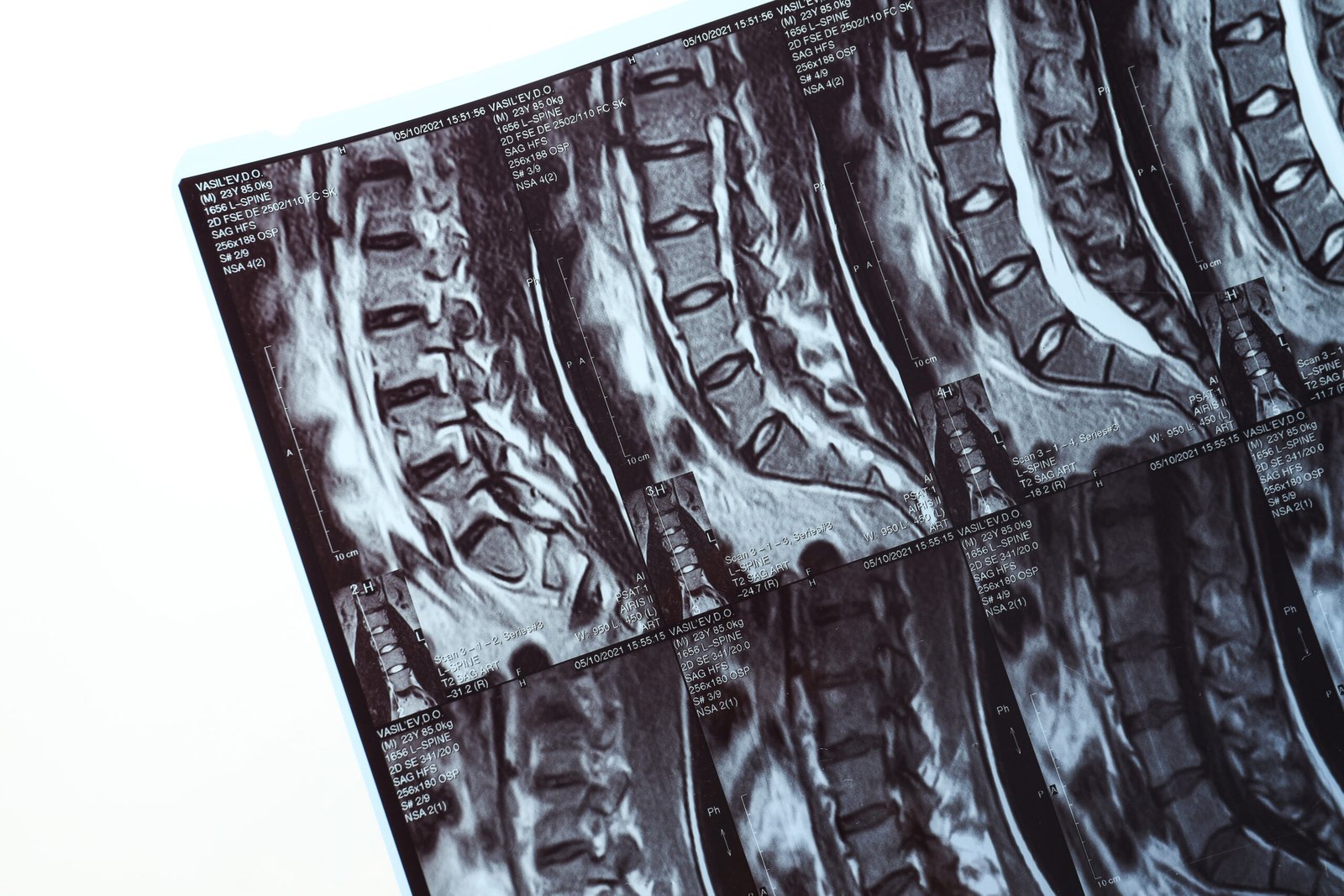
Spinal Cord Injury Rehabilitation at Kynova
A spinal cord injury can affect movement, sensation, and autonomic functions below the level of the injury. The effects vary according to the location of the damage and its neurological severity. SCI may result from trauma, including falls and motor vehicle injuries, or from non-traumatic causes such as tumors, vascular conditions, infections, and degenerative disease. [1]
Kynova evaluates patients with traumatic and non-traumatic spinal cord injuries, including complete injuries. Treatment begins with a review of the patient’s medical history and current condition. The clinical team then determines what further assessment is needed before recommending a treatment or rehabilitation plan.
The purpose of the initial assessment is to identify the patient’s current medical and functional needs. Rehabilitation may involve physical therapy, medical management, training directed at daily function, and selected adjunctive treatments when appropriate for the case. SCI rehabilitation is planned around the individual patient’s neurological status, medical condition, and functional goals. [1] [2]
TL;DR
- Rehabilitation starts with a review of medical history, neurological status, and functional needs.
- Care may be inpatient or outpatient, depending on the medical assessment.
- Goals and treatment plans vary for each patient and may change over time.
- International patients can begin the screening process before traveling to Guadalajara.
What Does a Complete Spinal Cord Injury Mean?
The term complete spinal cord injury has a specific neurological meaning. It is not determined only by whether a person can voluntarily move an arm or leg.
The International Standards for Neurological Classification of Spinal Cord Injury (ISNCSCI) provide the standard clinical method for assessing the neurological level and severity of SCI. The examination evaluates motor and sensory function and includes sacral testing used in determining whether an injury is classified as complete or incomplete. [3]
Kynova evaluates patients with complete spinal cord injuries. The patient’s existing diagnosis, medical records, prior treatment, and current neurological condition are reviewed before a treatment plan is proposed.
The medical team may request further diagnostic information when the records available before treatment do not provide enough information to make an appropriate clinical decision.
Medical Assessment Before Rehabilitation
There is no single rehabilitation protocol that applies to every person with SCI.
Kynova begins with a pre-treatment medical screening and clinical assessment. This process includes review of the patient’s medical history and available clinical documentation. The purpose is to understand the injury, previous medical care, current condition, and factors that may affect treatment.
For patients traveling from the United States, Canada, or another country, part of this review can take place before travel. The medical team can determine whether more records or diagnostic studies are needed before the patient arrives.
Further evaluation may take place in Guadalajara when clinically indicated.
Rehabilitation programs are generally based on an assessment of function and the person’s current needs. WHO describes rehabilitation as a goal-oriented process in which interventions, intensity, and duration are selected according to the individual situation and reassessed over time. [4]
Inpatient and Outpatient Rehabilitation
Kynova can provide care under an inpatient or outpatient model, depending on the patient’s medical needs.
Some patients may require hospitalization while receiving medical treatment and rehabilitation. Other patients can stay in coordinated hotel accommodation and attend scheduled medical and rehabilitation sessions.
These settings are clinically different.
Inpatient rehabilitation involves admission to a medical facility, where the patient remains under the care of the clinical team during the hospitalization.
Outpatient rehabilitation allows the patient to receive scheduled treatment without remaining admitted to the facility between sessions.
WHO recognizes both inpatient and outpatient settings as established models for rehabilitation delivery. The appropriate setting depends on the person’s medical condition, level of function, and treatment requirements. [4]
At Kynova, the appropriate setting is determined after medical evaluation rather than being assigned automatically to every SCI patient.
Physical Rehabilitation After Spinal Cord Injury
Physical rehabilitation is part of Kynova’s SCI program. The clinical team includes PM&R specialists, neurosurgery team, physical therapists and other specialists involved in the patient’s treatment.
The specific rehabilitation plan depends on the findings of the medical assessment.
Physical therapy after SCI can address areas such as muscle strength, movement, positioning, mobility, transfer skills, and physical tasks needed for daily activities. The precise focus depends on the level of injury and the patient’s current function. [2]
The National Institute of Neurological Disorders and Stroke describes SCI rehabilitation as a process that may combine physical therapy with skills training and assistive approaches. Rehabilitation teams can include physicians and therapists from several disciplines according to the patient’s needs. [2]
Kynova does not assume that two people with the same general diagnosis will require the same program. The medical team adjusts treatment according to the patient’s clinical findings and response.
Rehabilitation Goals After SCI
The goals of spinal cord injury rehabilitation extend beyond a single motor outcome.
SCI can affect voluntary movement and sensation. It can also affect functions controlled by the autonomic nervous system. The type and extent of impairment depend on the neurological level and severity of the injury. [1]
A rehabilitation plan may focus on mobility or physical function when those areas are appropriate for the patient. Other priorities can be identified during assessment.
Kynova determines rehabilitation goals after evaluating the patient’s condition. These goals may change as treatment progresses and new clinical information becomes available.
Additional Care and Support
Depending on each patient’s needs, other treatments and supportive care may include bowel and bladder management, care for autonomic dysreflexia, respiratory support, and skin protection.
The medical team can discuss which areas require attention and clarify the services available at Kynova, including whether care from additional specialists may be needed.
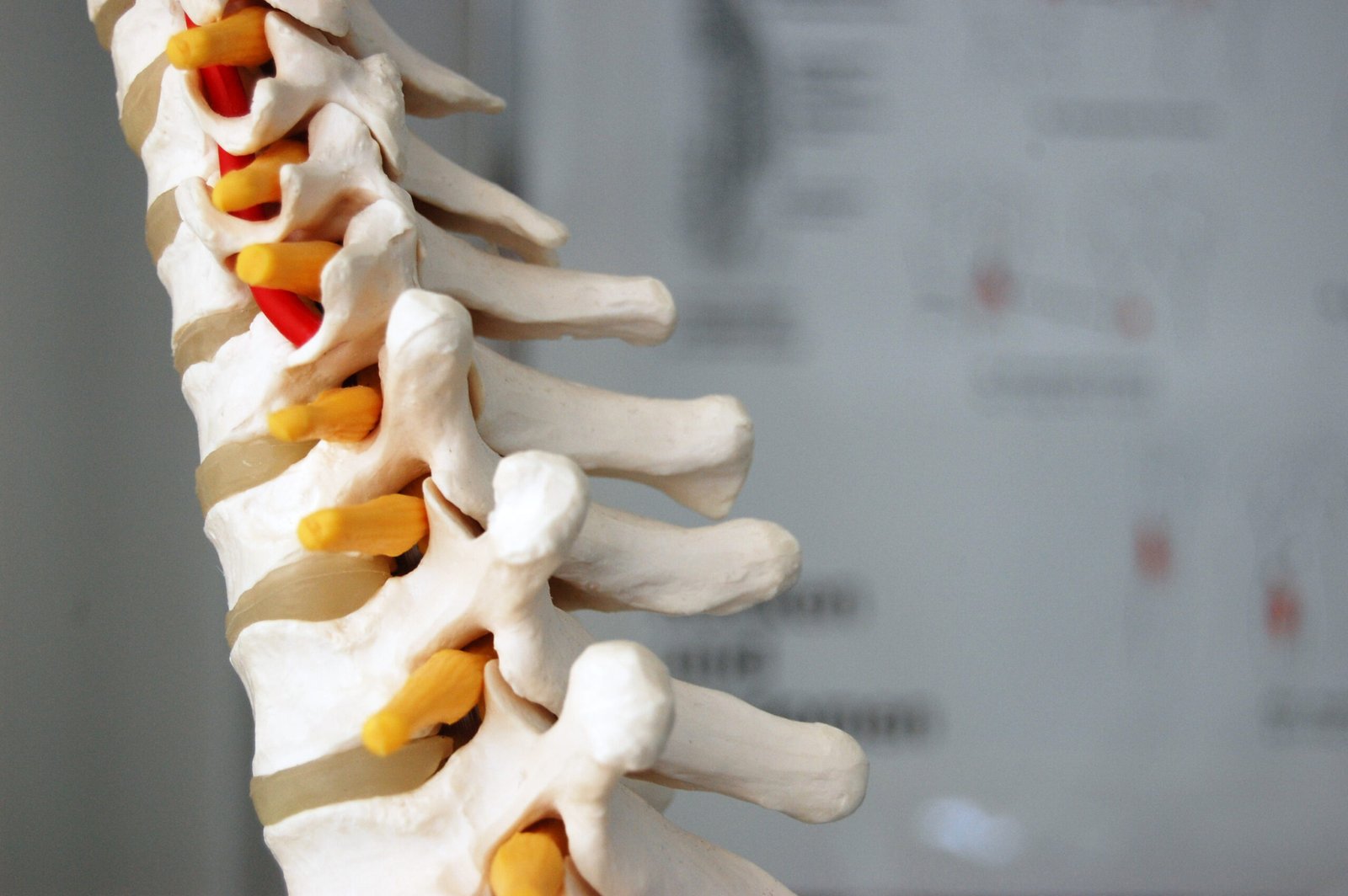
Research context
The following sections summarize published research. They do not describe treatments offered by Kynova or recommendations for an individual patient.
Research on Mesenchymal Stem Cells
Stem cell therapies have been studied in human spinal cord injury research, including clinical trials involving mesenchymal stem cells. The available literature suggests possible neurological effects in some study populations, but the studies vary in cell source, route of administration, treatment protocol, injury characteristics, and outcome measurement. [5]
A 2025 systematic review and network meta-analysis examined randomized clinical studies of mesenchymal stem cell transplantation for SCI. The authors reported potential benefits across some neurological outcomes while also identifying differences between treatment approaches and study methods. [5]
This evidence does not allow a predictable result to be assigned to an individual patient.
No one should consider stem cell treatment a cure for spinal cord injury or assume it will restore a particular neurological function.
Research on Hyperbaric Oxygen Therapy
HBOT involves breathing oxygen in a pressurized chamber. It has been studied as an adjunctive treatment in people with spinal cord injury.
A systematic review and meta-analysis of randomized controlled trials included 11 studies involving 875 participants. The analysis reported differences in motor, sensory, and functional scores favoring HBOT in several measures. However, the studies showed high heterogeneity for many outcomes, and the authors stated that larger, higher-quality trials are needed. [6]
HBOT should not be presented as a treatment that guarantees neurological recovery after SCI.
Treatment Planning Is Based on the Individual Case
A spinal cord injury diagnosis alone does not determine which treatments a patient should receive.
Two patients may have different injury levels, medical histories, time since injury, prior surgeries, associated conditions, and current functional abilities. These differences affect clinical decision-making.
Kynova reviews the patient’s history before recommending treatment. Further diagnostic assessment may be requested when needed.
The resulting plan can include inpatient or outpatient care, physical rehabilitation, medical management, and selected adjunctive therapies when clinically appropriate.
No treatment described on this page should be understood as appropriate for every SCI patient.
Care for International Patients
Kynova receives patients traveling to Guadalajara from the United States, Canada, and other countries.
The process can begin before travel with review of the patient’s medical history and available records. This allows the medical team to perform an initial screening and determine what additional information may be required.
Once a case is accepted, Kynova can coordinate the practical parts of the patient’s stay. This includes accommodation, airport transportation, local transportation, and treatment scheduling.
Some patients may remain hospitalized at Kynova when inpatient care is required. Others can stay in hotel accommodation while receiving outpatient treatment.
Family or caregiver participation depends on the individual case.
After the patient returns home, follow-up may include remote medical consultations when needed.
The treatment plan and practical arrangements should be discussed before travel so the patient understands the proposed care setting and the organization of the stay.
Who May Be Considered for Treatment?
Kynova evaluates patients with complete spinal cord injuries resulting from traumatic and non-traumatic causes.
Eligibility for treatment is determined through medical review.
The presence of an SCI diagnosis does not automatically mean that a patient is a candidate for every therapy available at Kynova. Medical history, current condition, previous treatment, diagnostic information, and other clinical factors are considered before treatment is recommended.
Additional assessment may be required after arrival in Guadalajara.
Start With a Medical Evaluation
Patients interested in spinal cord injury treatment at Kynova can begin by submitting their medical history and available clinical records.
The medical team reviews the information to determine whether additional documentation or diagnostic evaluation is needed.
If treatment at Kynova is considered appropriate, the patient can then receive information about the proposed care plan and the arrangements required for treatment in Guadalajara.
Frequently Asked Questions
Does Kynova treat complete spinal cord injuries?
Yes. Kynova evaluates patients with complete spinal cord injuries. Treatment recommendations depend on the patient’s medical history, neurological condition, and the findings of the clinical assessment.
Does Kynova treat traumatic and non-traumatic spinal cord injuries?
Yes. Both can be evaluated. WHO recognizes traumatic and non-traumatic causes of SCI, including vascular conditions, tumors, infections, and degenerative causes. [1]
Is spinal cord injury rehabilitation inpatient or outpatient?
It can be either. Some patients may require hospitalization, while others can receive outpatient treatment while staying in coordinated accommodation. The appropriate setting is determined after medical evaluation. WHO recognizes both inpatient and outpatient rehabilitation settings. [4]
Can Kynova review my case before I travel to Mexico?
Yes. Available medical history and clinical records can be reviewed before travel as part of the screening process. The medical team may request additional information or further evaluation.