
How to Choose a Medical Clinic in Mexico: A Guide for International Patients
Choosing a medical clinic in Mexico is an important healthcare decision for international patients. Choosing a city or treatment is only part of that decision. Patients must evaluate the medical professionals, facility, treatment plan, safety practices, and follow-up care.
Mexico receives patients from the United States seeking medical services. Guadalajara is among the Mexican cities with a growing medical tourism market, according to the U.S. Centers for Disease Control and Prevention. [2]
Medical care abroad still carries the risks associated with medical treatment. Travel can introduce separate health and logistical concerns. The CDC advises prospective medical travelers to verify healthcare professional qualifications and facility credentials before receiving treatment in Mexico. [1]
A careful evaluation should start long before booking a flight.
TL;DR
- Verify the physician’s full name, specialty, training, and credentials before choosing a clinic.
- Ask where treatment takes place and what facility safety standards apply.
- Review informed consent, risks, alternatives, records, follow-up care, and total costs before travel.
- International patients should plan medical care, logistics, and recovery around the treatment plan, not only the trip.
How to Choose a Medical Clinic in Mexico: Start with the Medical Professionals
Ask who will evaluate you and who will provide your treatment.
A clinic’s website can provide useful background information. It should not replace verification of a physician’s professional credentials.
Look for the physician’s full name, specialty, training, and professional credentials. Ask whether the physician regularly treats your condition or performs the proposed procedure.
The CDC recommends researching the healthcare professional who will perform the procedure. It also advises medical travelers to review the credentials of the facility where care will take place. [1]
This distinction matters. A clinic’s reputation and a physician’s qualifications are related, but they are not interchangeable. Patients should know who holds responsibility for their medical care.
Evaluate the medical facility
Next, examine where your care will take place. Ask what type of facility will provide the treatment. The answer can differ across outpatient clinics, rehabilitation centers, surgical facilities, and hospitals.
Patients should ask about the facility’s credentials and its procedures for patient safety. Questions about infection prevention are appropriate for treatments involving injections, surgery, invasive procedures, or wound care.
The CDC states that infection prevention and control standards can vary between facilities outside the United States. Reported complications among medical travelers include surgical site infections, bloodstream infections, and infections involving antimicrobial-resistant organisms. [1]
These risks do not mean that treatment abroad is inherently unsafe. Medical and surgical procedures carry risks in every country. They do mean that patients should examine safety standards rather than assume them.
Ask how the treatment plan is developed
A treatment recommendation should begin with a medical evaluation.
The medical team should understand your diagnosis, medical history, current medications, allergies, previous treatments, and relevant test results. Some conditions require imaging, laboratory results, operative reports, or specialist records.
Patients should then understand why a treatment has been recommended. Ask what the treatment is intended to address. Ask about expected benefits, known risks, reasonable alternatives, and what can happen without treatment.
These questions are part of informed medical decision-making.
The American Medical Association states that informed consent should include the diagnosis, proposed intervention, purpose, risks, expected benefits, and available alternatives. The discussion should include the option of declining treatment. [3]
A patient should have enough information to make a voluntary decision.
Look for a real informed consent process
A signed form alone does not define informed consent.
The process requires communication between the physician and patient. Patients need an opportunity to understand the proposed care and ask questions.
The AMA describes informed consent as a communication process that results in authorization for a medical intervention. It states that physicians should present relevant medical information accurately and document the discussion and decision. [3]
This process becomes especially relevant during international care. Language differences and compressed travel schedules can make communication harder.
Ask which language the medical team uses during consultations. Ask how the clinic handles consent documents and medical instructions for international patients.
Do not sign documents you do not understand.
Be careful with promises about results
Medical outcomes cannot be guaranteed.
Be cautious with providers that promise a cure, guaranteed recovery, or a specific result without a medical evaluation. The same caution applies to treatments promoted mainly through testimonials.
Ask what evidence supports the proposed treatment.
For rehabilitation, ask how the medical team establishes goals and evaluates progress. For a procedure, ask what the intended outcome is and what complications are recognized.
The AMA advises physicians to help patients set realistic goals and base care on scientifically recognized interventions. This point carries particular weight for therapies that lack established clinical evidence.
Published medical evidence should carry more weight than promotional claims.

Ask about infection prevention and patient safety
Infection deserves direct attention during medical travel.
The CDC identifies infection-related problems among the most common complications reported in medical tourists. These include surgical site infections and bloodstream infections. Blood-borne infections can include hepatitis B, hepatitis C, and HIV. [1]
Antimicrobial resistance presents another concern. The CDC has documented outbreaks involving resistant organisms among people who received medical care abroad.
Patients considering invasive treatment can ask how the facility handles sterilization, infection prevention, medication safety, and post-treatment monitoring.
The exact questions should reflect the treatment being considered.
Plan your follow-up care before traveling
Medical care does not necessarily end at discharge.
Ask what happens after treatment. Find out who will answer medical questions after you leave the clinic. Ask how complications are handled during your stay and after you return home.
The AMA identifies continuity of care as a central concern in medical tourism. Patients returning home can require follow-up care, including after an uncomplicated recovery. Missing treatment records can make that care harder to coordinate. [4]
The CDC recommends arranging follow-up before travel. It also advises patients to request copies of medical records from care received abroad. [1]
Discuss your plans with your regular physician where appropriate. Your home medical team needs accurate information about treatment received abroad.
For U.S. travelers, the CDC recommends discussing planned medical tourism with a healthcare professional well before departure. A travel medicine consultation can be appropriate for some patients.
Ask how you will receive your medical records
Your records should travel home with you.
Ask what documentation the clinic provides after treatment. This can include diagnostic information, procedure reports, medication details, test results, discharge instructions, and recommendations for follow-up.
The exact documents will vary by treatment.
The CDC advises medical travelers to request copies of overseas medical records in English. Patients should share those records with healthcare professionals involved in later follow-up. [1]
The AMA recognizes patient access to medical records and continuity of care as important patient rights. [5]
Ask about records before treatment rather than waiting until departure.
Understand what the quoted price includes
Cost is one reason some patients explore medical care abroad. It should not be the only factor used to select a provider.
Request a written explanation of expected charges.
Ask what the quoted price covers. Depending on the type of care, relevant costs can include consultations, diagnostic tests, professional fees, facility fees, medications, rehabilitation, follow-up appointments, accommodation, and transportation.
Ask which services are not included.
Insurance requires separate attention. The CDC notes that many medical providers in Mexico do not accept U.S. health insurance, Medicare, or Medicaid. Payment can be required before care is provided. [2]
Travelers should review their insurance coverage before leaving home. The CDC recommends checking whether a domestic policy covers care overseas and considering appropriate travel health or medical evacuation coverage based on individual needs. [7]
A lower initial price does not describe the full medical or financial implications of treatment.
Consider travel as part of the medical decision
Treatment and travel cannot always be planned separately.
A patient’s condition can affect flight timing, mobility needs, medication planning, and the amount of support required during travel.
Some procedures create added concerns.
The CDC notes that air travel and surgery can independently increase the risk of blood clots. It advises patients receiving surgery abroad to discuss the timing of travel with their healthcare professionals. [1]
Recovery plans should account for activity restrictions too. The CDC warns that strenuous exercise, swimming, alcohol use, long tours, and other common vacation activities can interfere with recovery after some procedures.
Medical travel should be planned around the patient’s care, not the tourist itinerary.
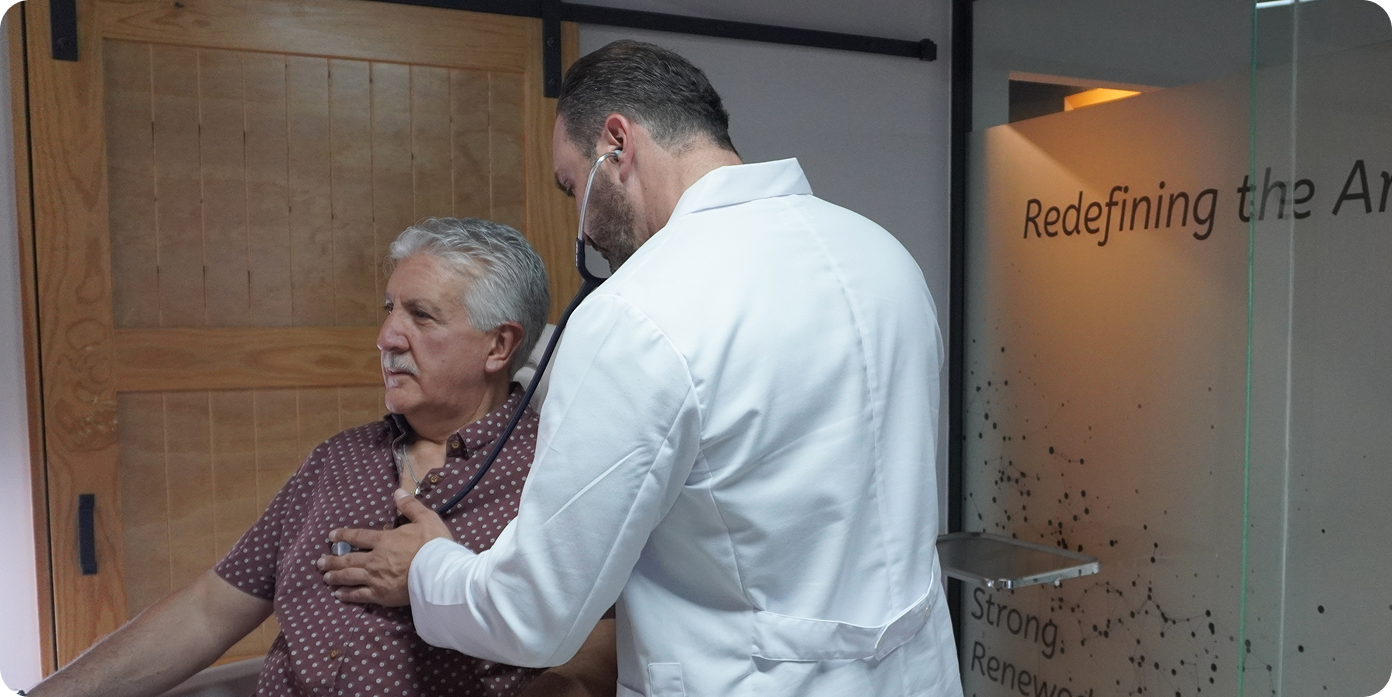
Questions to Ask When Choosing a Medical Clinic in Mexico
A clinic should be able to answer relevant questions clearly. Use these questions as a starting point:
- Who will be responsible for my medical care?
- What are the physician’s credentials and specialty?
- Does the physician regularly treat my condition?
- Where will my treatment take place?
- What facility credentials apply to my treatment?
- What medical evaluation is required before treatment?
- Why is this treatment being recommended?
- What are the expected benefits and known risks?
- What reasonable alternatives should I discuss with my physician?
- What happens if I decide not to proceed?
- What safety and infection prevention practices apply?
- Who should I contact if a complication occurs?
- What follow-up will I need after treatment?
- How will follow-up work after I return home?
- Which medical records will I receive?
- Can I receive my records in English?
- What does the quoted cost include?
- Which expenses are not included?
- How should travel dates relate to my treatment and recovery?
- Who can answer medical questions before I travel?
The answers should give you a clearer picture of the provider, proposed care, and responsibilities involved.
Red flags that deserve closer review
Some warning signs justify more questions.
Be cautious with guaranteed outcomes or cure claims. Examine treatments supported mainly by testimonials rather than medical evidence. Ask for more information if physician credentials are difficult to identify.
Pressure to pay quickly should not replace medical evaluation or informed consent.
Poor communication about complications and follow-up deserves attention too. The same applies when a provider cannot explain how you will receive medical records.
Medical tourism literature has documented concerns involving complications, continuity of care, patient safety, and the management of problems after patients return home. A 2019 systematic review examined 43 publications on medical and surgical tourism and identified major gaps in outcome and quality data across several areas of care. [6]
The goal is not to find a clinic that claims to eliminate risk. No responsible medical provider can make that promise.
The goal is to find a medical team that discusses risk openly and answers relevant questions with evidence.
Considering medical care in Guadalajara?
Guadalajara has become one of Mexico’s growing markets for medical tourism. The CDC identifies the city among destinations where U.S. residents seek medical services. [2]
Patients considering Kynova Healthcare Hub should begin with the same careful evaluation described in this guide.
Kynova provides medical care in Guadalajara, including spinal cord injury rehabilitation across neurological rehabilitation, musculoskeletal rehabilitation, hyperbaric oxygen therapy, medical aesthetics, and men’s health. International patients can contact Kynova to discuss their needs and determine the appropriate next step for evaluation.
A conversation with a patient coordinator can help with practical questions. Medical recommendations should come from the appropriate clinical professional after review of the patient’s medical information.
Start With a Patient Coordinator
Considering care at Kynova? Talk to a Patient Coordinator.
This article provides general educational information. It does not replace an individual medical evaluation, diagnosis, or treatment plan.
Medical References
1. Centers for Disease Control and Prevention. CDC Yellow Book: Medical Tourism.
2. Centers for Disease Control and Prevention. CDC Yellow Book: Mexico.
3. American Medical Association. Code of Medical Ethics Opinion 2.1.1: Informed Consent.
4. American Medical Association. Code of Medical Ethics Opinion 1.2.13: Medical Tourism.
5. American Medical Association. Code of Medical Ethics Opinion 1.1.3: Patient Rights.